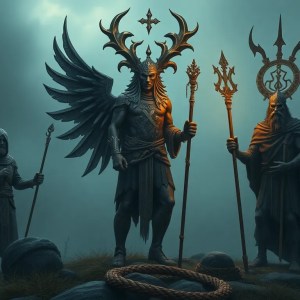
Crafting Identity: The Role of Pagan Symbols in Slavic Community Life
I. Introduction
Slavic mythology, rich in narratives and deities, plays a significant role in the cultural fabric of contemporary Slavic communities. These ancient beliefs continue to influence modern practices, creating a bridge between the past and present. Central to these beliefs are pagan symbols, which serve as potent markers of identity and heritage.
Pagan symbols are emblematic representations that convey deeper meanings within the context of Slavic spiritual and cultural practices. Historically, they have been intertwined with the natural world, reflecting the agrarian roots of Slavic societies. Understanding these symbols is crucial in exploring their significance in shaping community identity today.
This article delves into the historical evolution of Slavic pagan symbols, their contemporary relevance, and their impact on social identity within Slavic communities. By examining these elements, we can appreciate how ancient symbols persist and evolve in modern society.
II. Historical Background of Slavic Paganism
A. Ancient Slavic beliefs and practices
Before the spread of Christianity, the Slavs practiced a polytheistic belief system, revering a pantheon of gods and nature spirits. Key deities included:
- Perun: The god of thunder and lightning, often associated with war and governance.
- Mokosh: The goddess of fertility, women, and the earth, symbolizing motherhood and domesticity.
- Veles: The god of cattle, commerce, and the underworld, representing the duality of life and death.
Rituals and offerings were integral to these beliefs, connecting communities to the cycles of nature and the divine.
B. Transition from paganism to Christianity and its impact on community identity
The Christianization of the Slavs, beginning in the 9th century, marked a significant shift in spiritual practices. Many pagan symbols were either abandoned or repurposed within a Christian framework. This transition created a complex tapestry of belief systems where remnants of pagan traditions survived, often blended with Christian customs.
C. Preservation of pagan symbols through oral traditions and folklore
Despite the decline of pagan practices, oral traditions and folklore have played a crucial role in preserving these symbols. Stories, songs, and proverbs passed down through generations kept the memory of pagan symbols alive, allowing them to resurface in various cultural expressions.
III. Key Pagan Symbols in Slavic Culture
A. Overview of significant symbols
Among the most notable pagan symbols in Slavic culture are:
- The Kolovrat: A solar symbol representing the cycle of life, often associated with the sun and rebirth.
- The Tree of Life: Symbolizing interconnectedness, this motif embodies the relationship between humans, nature, and the cosmos.
- Eggs and Seasonal Symbols: Used in various rituals, these symbols represent fertility and the renewal of life.
B. Meanings and interpretations of these symbols
Each symbol carries distinct meanings. For example, the Kolovrat not only signifies the sun but also reflects the cyclical nature of existence. The Tree of Life embodies growth, continuity, and the nurturing aspect of nature.
C. Regional variations in symbol significance and usage
Different Slavic regions have unique interpretations and uses for these symbols. While the Kolovrat is widely recognized, its representation may vary, reflecting local customs and beliefs.
IV. Pagan Symbols in Contemporary Slavic Communities
A. Revitalization of pagan symbols in modern Slavic practices
In recent years, there has been a resurgence of interest in Slavic pagan symbols, particularly among younger generations seeking to reconnect with their heritage. This revitalization often manifests in the form of festivals, rituals, and artistic expressions.
B. Integration of symbols in festivals, rituals, and community gatherings
Pagan symbols are increasingly incorporated into various cultural celebrations, where they serve as focal points for community gatherings. Events such as:
- Spring and harvest festivals
- Solstice celebrations
- Traditional craft fairs
These occasions provide opportunities for communal bonding and cultural expression.
C. Role of symbols in promoting cultural heritage and identity
The use of pagan symbols fosters a sense of belonging and pride within communities. They serve as reminders of shared history and collective identity, reinforcing cultural ties.
V. The Psychological and Social Impact of Pagan Symbols
A. Symbols as tools for community bonding and cohesion
Pagan symbols function as communal touchstones, facilitating connections among individuals. They evoke shared memories and values, creating a sense of unity and purpose.
B. Exploration of identity formation through shared symbols and rituals
Participation in rituals that feature pagan symbols allows individuals to forge personal identities within the context of the community. The shared experience of such practices strengthens both personal and collective identities.
C. The role of symbols in individual self-identity within the community context
For many, these symbols provide a framework for understanding their place in the world. Embracing pagan symbols can empower individuals to explore their cultural roots and assert their identities.
VI. Challenges and Controversies Surrounding Pagan Symbols
A. Misinterpretation and appropriation of Slavic pagan symbols
The misuse of pagan symbols, particularly by groups outside the Slavic communities, raises concerns about cultural appropriation. Such misinterpretations can dilute the symbols’ meanings and undermine their significance.
B. Tensions between pagan and Christian identities in contemporary society
As Slavic communities navigate the complexities of identity, tensions often arise between pagan and Christian beliefs. This duality can lead to conflicts regarding cultural practices and the acceptance of symbols.
C. The impact of globalization on the preservation of pagan symbols
Globalization poses challenges to the preservation of Slavic pagan symbols, as dominant cultures often overshadow local traditions. However, this same globalization can also facilitate the sharing and revitalization of these symbols across borders.
VII. Case Studies: Pagan Symbols in Action
A. Examination of specific communities that actively use pagan symbols
Several Slavic communities have made concerted efforts to embrace and promote their pagan heritage. Examples include:
- The Rodnovery movement in Russia
- Neo-pagan festivals in Poland
- Traditional rituals in Ukraine’s Carpathian region
B. Success stories of revitalizing pagan practices and symbols
Communities that have actively sought to revive their pagan traditions report increased participation and interest among younger members. These success stories highlight the potential for cultural renewal through the use of symbols.
C. Interviews with community leaders and practitioners
Interviews with practitioners reveal a deep connection to their heritage and a desire to carry forward traditions. Many express how pagan symbols help them navigate contemporary life while honoring their ancestral roots.
VIII. Conclusion
A. Reflection on the enduring significance of pagan symbols in Slavic identity
Pagan symbols remain a vital part of Slavic identity, providing continuity and a sense of belonging. They encapsulate the values, beliefs, and experiences of the community, reinforcing cultural ties.
B. The future of Slavic paganism and its symbols in an evolving cultural landscape
The future of Slavic paganism hinges on its ability to adapt and resonate with contemporary realities. As communities continue to embrace their heritage, pagan symbols will likely evolve while maintaining their foundational meanings.
C. Call to action for further exploration and appreciation of Slavic heritage
As we explore the role of pagan symbols in Slavic community life, it is essential to foster an appreciation for these cultural markers. Engaging with and understanding these symbols can contribute to a richer, more nuanced view of Slavic heritage and identity.